Understand whether registration applies
Determine the business category and obligations using current official guidance.
 MNKBUSINESS GROUP

A practical starting point for better compliance planning.
← Back to overview
Guidance is general and may change with regulatory updates. Confirm applicable rules with the relevant authority or a qualified adviser.

Determine the business category and obligations using current official guidance.

Arrange appropriate trade licence, corporate details and financial records.

Determine the business category and obligations using current official guidance.
Arrange appropriate trade licence, corporate details and financial records.
Registration is one step; recordkeeping and filing schedules also need attention.
Determine the business category and obligations using current official guidance.
Arrange appropriate trade licence, corporate details and financial records.
Registration is one step; recordkeeping and filing schedules also need attention.
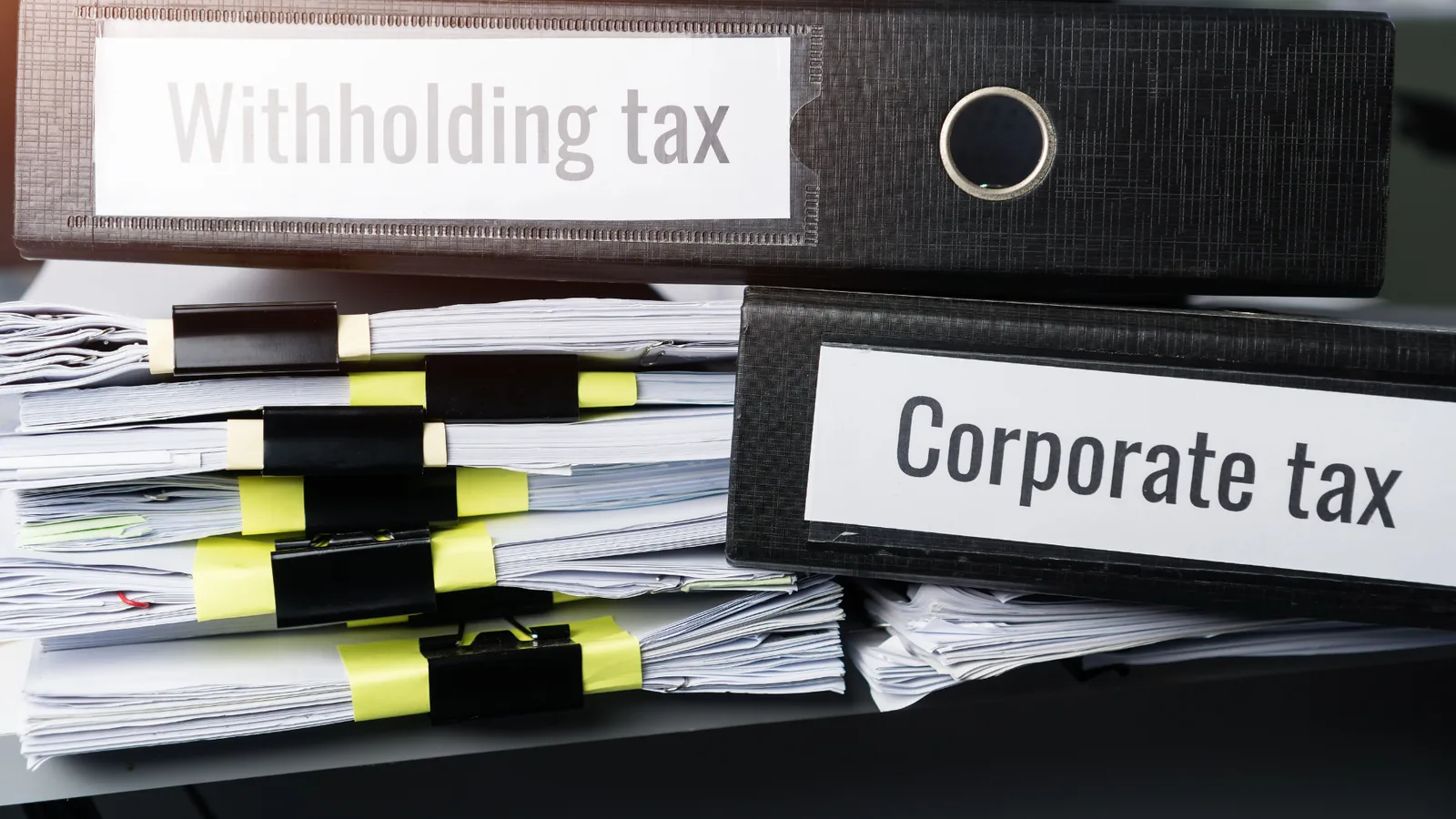
Knowing what applies to your business is the next.
Good research is a starting point, not a substitute for a useful conversation.
The FTA lists its corporate tax registration service as free of charge; professional assistance may have its own separately disclosed fees.
No. Rates, reliefs, thresholds and qualifying free-zone rules depend on statutory criteria and the business’s actual facts.
Assess the legal entity, whether it is subject to corporate tax and the applicable registration timeline. A free-zone licence is not sufficient evidence that registration is unnecessary.
Prepare company evidence. Gather valid trade licences, incorporation records, authorised-signatory identification and ownership information. The authority may request supporting documents specific to the applicant.
Plan beyond the registration number. Record the tax period, accounting records, potential reliefs and filing deadlines. Keep the distinction between registration, calculating taxable income and filing a return clear.